Cedar Shake Replacement: Repair Costs and Material Choices
Cedar shake roofing brings timeless rustic charm and organic elegance to homes throughout the Blue Mountains. However, the unique microclimate of our region—characterised by heavy rain, seasonal frost, damp mist, and strict bushfire management considerations—means that maintaining or replacing timber roofing requires thoughtful planning. Whether you are addressing isolated storm damage with advanced roof repair or planning a complete roofing replacement, understanding the costs and material choices available in 2026 is essential for safeguarding your investment.

Evaluating Cedar Shake Damage: Repair or Full Replacement?
Because cedar is a natural timber product, it expands and contracts with shifting mountain weather. Over time, UV exposure, moss growth, and dampness can cause shakes to curl, split, or rot. Property owners often must decide whether a localised fix or a full overhaul is the most cost-effective path forward.
Minor wind damage or isolated cracked shakes can often be resolved through https://johnathankwcm506.capitaljays.com/posts/preserving-charm-brick-facade-repair-for-mountain-cottages certified roof repair. A technician replaces the compromised shakes, checks the underlayment, and applies preservative treatments. However, if more than 20 to 25 percent of the shakes across a roof plane exhibit severe weathering, splitting, or dry rot, opting for comprehensive roof repair or a complete roof replacement prevents chronic leaks and protects structural decking. In 2026, typical spot repairs for cedar shakes range from $450 to $1,500 depending on pitch and accessibility, while full replacement costs generally range between $18,000 and $38,000 for standard residential footprints in the Blue Mountains.
Material Choices for Mountain Properties
When undertaking a cedar shake replacement, selecting the appropriate grade and fire-retardant rating is vital, particularly when adhering to regional Bushfire Attack Level (BAL) requirements. Homeowners today have multiple premium options:
- Western Red Cedar (Hand-Split or Sawn): The traditional choice, offering exceptional natural insulation and natural resistance to rot. In 2026, pressure-impregnated, fire-retardant treatments are standard for high-risk zones.
- Synthetic or Composite Cedar Shakes: Manufactured from engineered polymers, these shakes replicate the deep grain and contour of natural wood while carrying Class A fire ratings and imperviousness to fungal decay.
- Architectural Asphalt Alternatives: For homeowners seeking a cost-effective alternative with traditional aesthetics, an asphalt shingle replacement provides reliable weatherproofing and straightforward installation.
The Role of Ventilation and Drainage in Roof Longevity
A cedar roof cannot perform effectively without proper airflow and moisture control. Trapped humidity beneath timber shakes accelerates wood decay from the inside out. Integrating an attic ventilation installation or scheduling prompt attic ventilation repair promotes steady airflow beneath the roof deck. Implementing attic heat reduction strategies and customized roof ventilation safeguards your timber shakes during warmer summer spells and reduces internal condensation during winter freeze cycles.
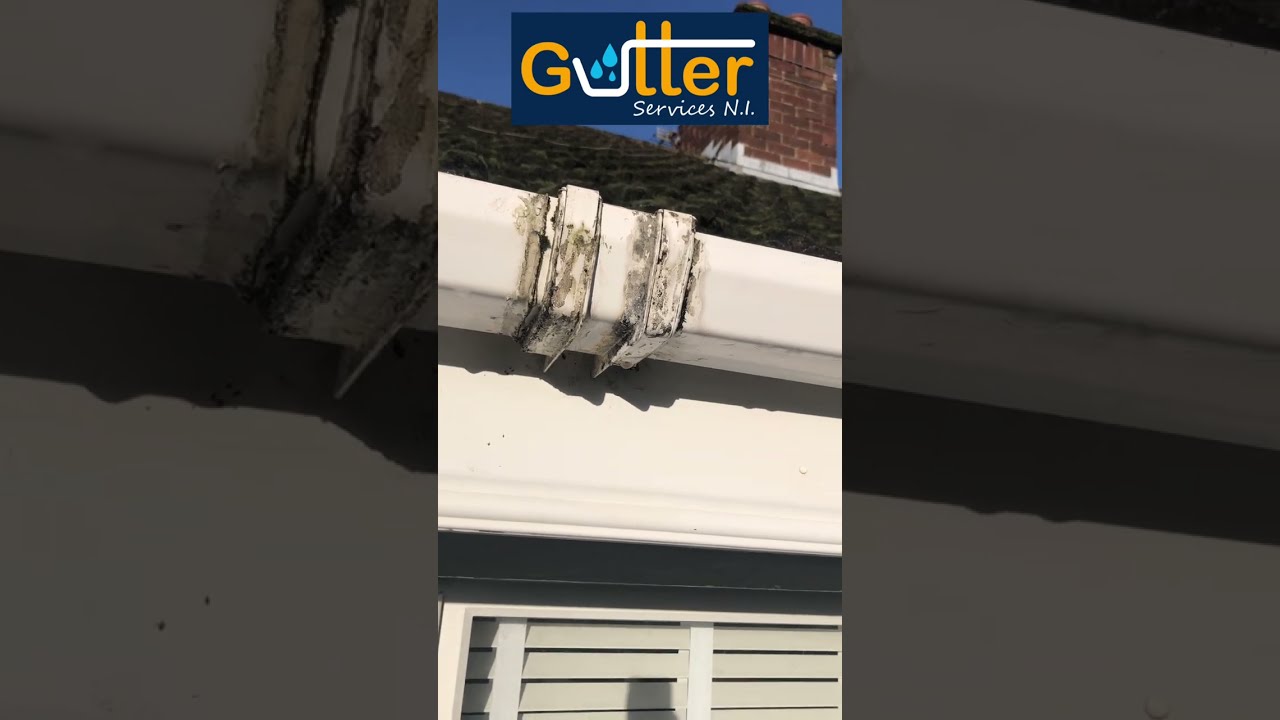
Equally critical is a functional perimeter water runoff system. Cedar roofs shed significant volumes of water during mountain downpours, making advanced gutter solutions a fundamental component of the project. Addressing sagging sections through damaged gutter repair or upgrading to high-capacity channels ensures that runoff does not back up under the bottom course of shakes or spill against external cladding.
Maximising Value Through Professional Installation
A cedar shake installation requires specialized carpentry skills that differ significantly from standard metal or tile roofing. Correct fastener selection, precise shake spacing to allow for natural swelling, and heavy-duty breathable underlayments are mandatory for long-term performance.
- Detailed Inspection: A comprehensive structural assessment of battens, flashing, and moisture barriers.
- Systematic Removal and Deck Preparation: Clean removal of decayed shakes, timber framing reinforcement, and placement of high-performance water-resistant barriers.
- Precision Installation and Sealing: Laying shakes with uniform exposure, reinforced valley flashings, and integrated ventilation paths.
- Proactive Maintenance Planning: Scheduling ongoing comprehensive roof maintenance to clear moss, treat edges, and inspect flashings annually.
Investing in reliable, comprehensive roofing services ensures your new cedar roof withstands the distinctive climate of the Blue Mountains while preserving your property’s architectural beauty and structural durability for decades to come.
Top Roofer Blue Mountains
Old Bathurst Rd, Blaxland NSW 2774, Australia
(02) 4703 9006